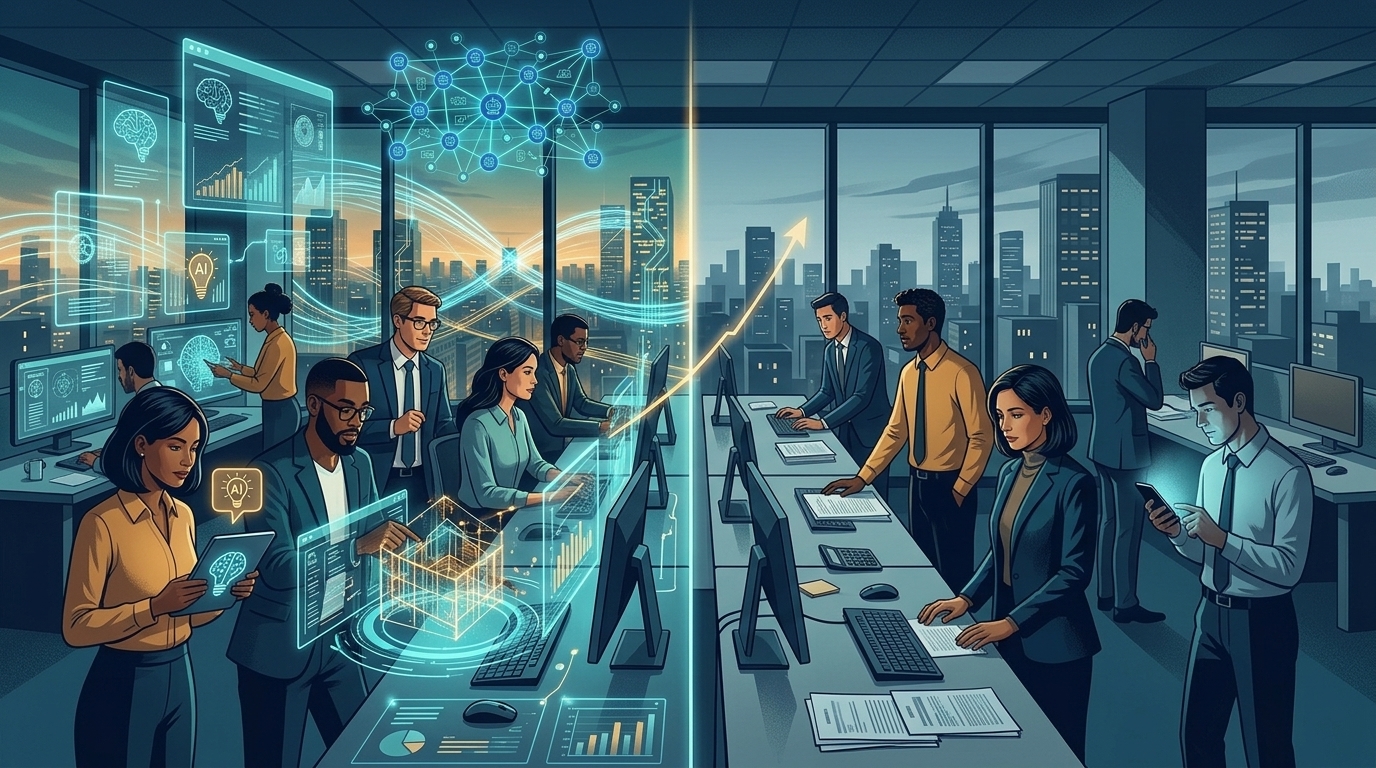
Microsoft just released its latest "New Future of Work" report, and one finding stopped me mid-scroll: men report using AI at work 29% of the time compared to 24% for women. Usage varies wildly by role, industry, and seniority. The productivity gains everyone keeps celebrating? They're not landing evenly.
Here's the question I keep coming back to: if AI adoption is this uneven inside organizations that are actively encouraging it, what does that mean for the ones that haven't even started?
AI's Benefits Are Real. They're Also Unequal.
Microsoft Research has been tracking how work is changing for five years now, and the 2025 edition (released this month) is the sharpest yet. The headline: AI is driving rapid change, but the benefits are dangerously uneven.
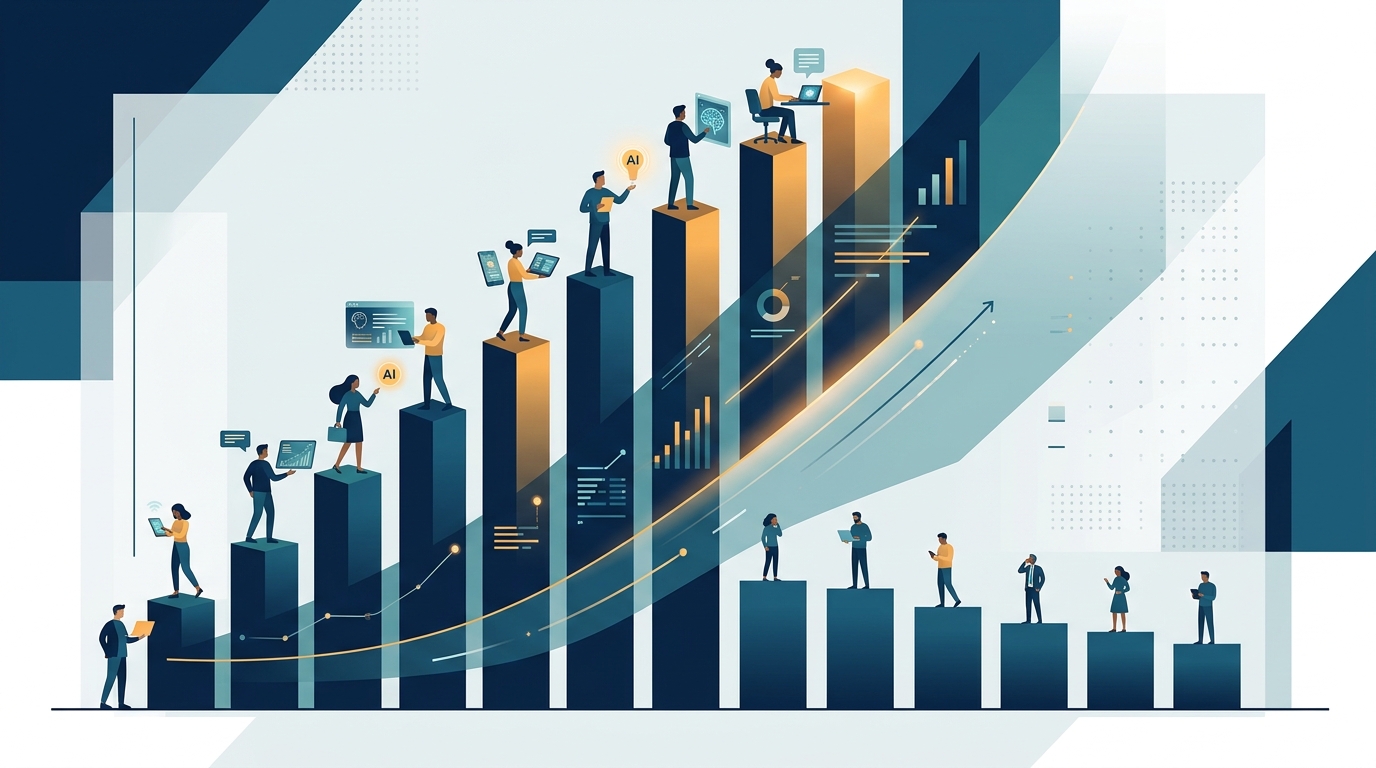
ChatGPT Enterprise messages grew eightfold in a single year. IT, procurement, and finance teams are leading adoption. Marketing, sales, and operations are lagging behind. And the gap matters because uneven adoption translates directly into uneven productivity gains, learning opportunities, and career trajectories.
The people gaining the most from AI are the ones who already had strong foundational skills. Everyone else is at risk of falling further behind.
The report also flags a risk most organizations aren't talking about: deskilling. Workers who lean too heavily on AI for routine tasks may lose the judgment and expertise that made them valuable in the first place.
For those of us in workforce development, this isn't abstract. It's the next equity challenge we need to plan for. The question isn't whether AI will change work. It's who gets left behind while it does.
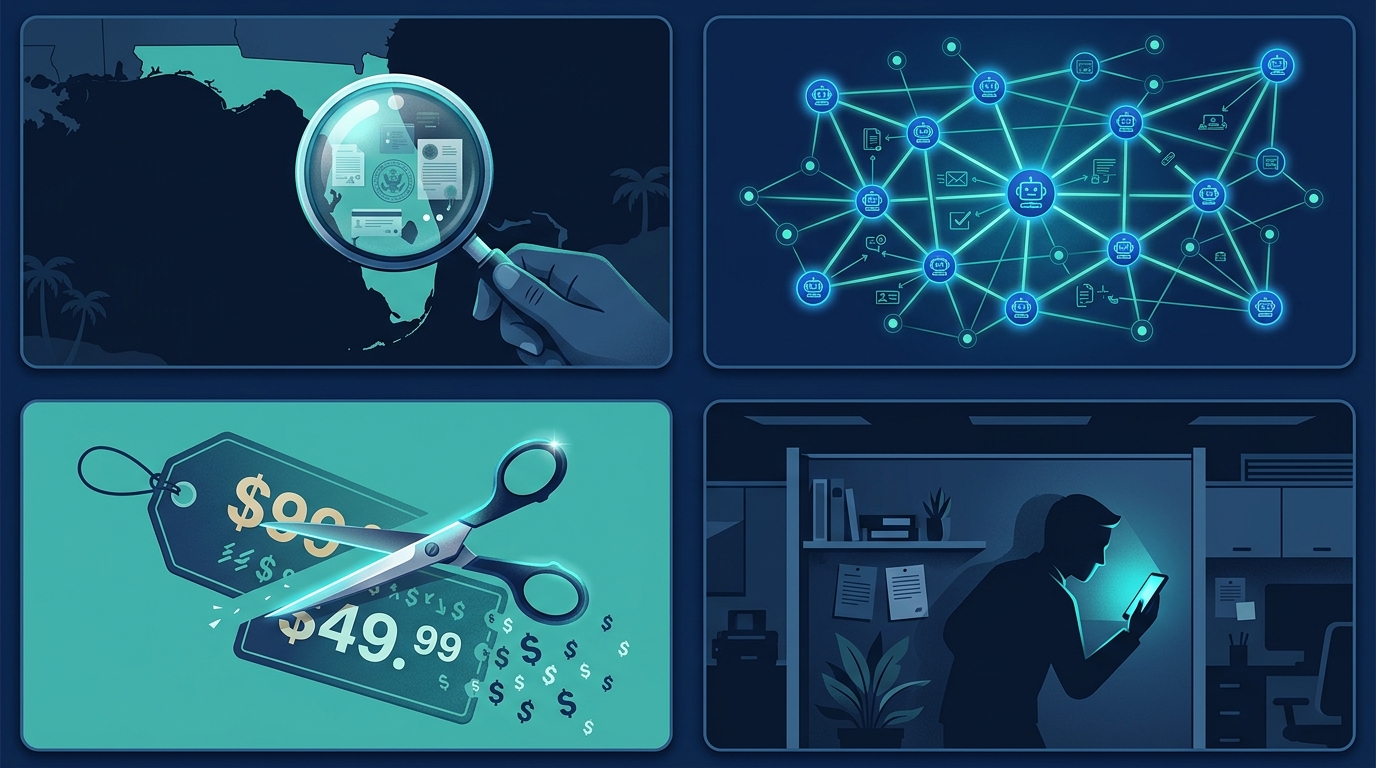
Florida AG Launches Investigation into OpenAI
Florida's Attorney General opened an investigation over public safety and national security concerns, citing worries about data "falling into the hands of America's enemies." For Florida-based organizations, this is worth watching closely.
Anthropic Launches Managed Agents
Anthropic rolled out "Claude Managed Agents," a hosted platform for building autonomous AI agents. Notion and Rakuten are already using it. The infrastructure that makes agents practical without building from scratch.
OpenAI Cuts Pro to $100/Month
OpenAI halved its Pro subscription from $200 to $100, with 5x more Codex usage and a limited-time 10x promotion. This undercuts Anthropic and Google, signaling the AI pricing war is intensifying.
Shadow AI: Your Biggest Blind Spot
Employees are adopting AI tools without IT approval at an accelerating rate. These "shadow AI" tools boost individual productivity but bypass security controls and create blind spots. The conversation you need to have this quarter.
- App Store saw an 84% surge in new apps as AI coding tools lower the barrier to building software
- Google Gemini now generates interactive 3D models and visualizations directly in chat, following Claude's lead on interactive outputs
- Anthropic kept its most powerful model private after Mythos Preview found thousands of cybersecurity vulnerabilities across major operating systems
- Stanford research found that multi-agent AI systems mostly just burn more compute, with a few important exceptions where collaboration genuinely helps
- Bret Taylor (Sierra co-founder) declared the era of clicking buttons is over, predicting AI agents will replace traditional software interfaces
Tool of the Week: Poke
Poke turns AI agents into something anyone can use by making the entire interface a text message. No app downloads, no dashboards, no technical setup.
• Text Poke to set up automations like "remind me to check my reports every Monday at 8 AM"
• Ask it to handle tasks that normally require switching between apps
• Use it as a lightweight AI assistant for team members who won't touch ChatGPT
Best for: Non-technical professionals, small teams. Free to start.
What I've Been Working On
New this week: "The AI Regulation Timeline Every Leader Needs to Know" traces seven years of AI policy, from Trump's 2019 executive order through the federal-state battles happening right now. If you're making decisions about AI in your organization, this is the context you need.

I've been thinking about that Microsoft report all week. Not because the data surprised me, but because it confirmed something I see every day in workforce development: the AI divide isn't technical vs. non-technical anymore. It's people who are experimenting vs. people who are waiting for permission.
The workers gaining the most from AI aren't the ones with CS degrees. They're the ones who opened ChatGPT on a Tuesday afternoon and asked it to help with a report. The ones who tried three tools before finding one that fit. The ones who didn't wait for a training session or a corporate rollout.
That's the gap. And it's widening faster than most organizations realize.
If you're seeing this divide play out in your organization, I genuinely want to hear about it. What's working to close the gap? What's making it worse? Hit reply. I read every response.
Get this in your inbox every week
Join professionals who start their week with Melanie's AI intelligence brief.